

(Originally published 12/17/2010. Updated November 19, 2025)
Few things elevate a special gathering quite like a beautifully prepared roast taking center stage on your table. When it comes to show-stopping holiday or celebration entrées, two cuts rise above the rest: the magnificent Standing Rib Roast and the incredibly tender Beef Tenderloin Roast. Each brings its own virtues—the rib roast is rich, juicy, and deeply flavorful, while the tenderloin is exceptionally lean, refined, and buttery-soft. When prepared with care, either roast will leave your guests speechless.
At Tony’s, we’ve spent decades perfecting the craft of selecting, aging, trimming, seasoning, and preparing premium beef roasts. Whether you’re ordering a specialty item such as Tony’s Own Crab-Stuffed Tenderloin Roast or selecting a custom-cut rib roast from your local Tony’s market, the same commitment to precision and quality guides every step.
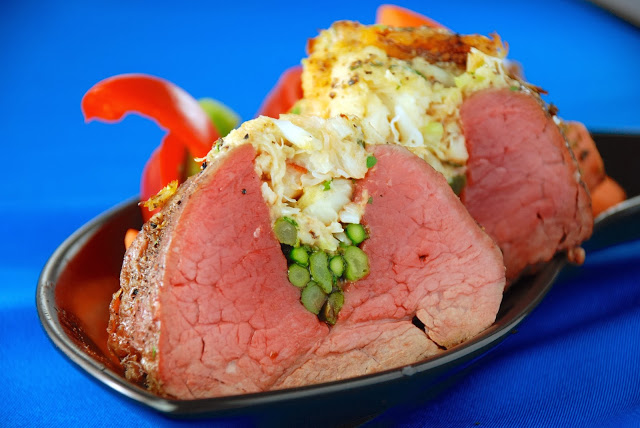 |
| Tony’s Own Crab Stuffed Tenderloin Roast, call ahead to order at the Tony’s Near you. |
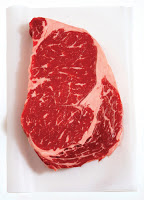 |
| Premium Choice Rib Eye |
Understanding Beef Quality: Grades, Marbling & What Really Matters
Before choosing the right roast, it helps to understand how beef quality is defined. The USDA inspects and grades most American beef, rating it primarily on marbling—the fine lines of intramuscular fat that melt during cooking and deliver tenderness and flavor.
Prime Grade
Prime is the highest USDA grade, representing roughly the top 2% of all U.S. beef. Exceptional marbling gives Prime beef superior richness, juiciness, and buttery texture. The term “Prime Rib,” however, is often misused and does not guarantee the beef itself is USDA Prime.
Premium Choice (High Choice)
This is an industry-recognized category that includes the top tier of Choice-grade beef, often mixed with a portion of true Prime. Premium Choice beef contains generous marbling—far more than standard Choice—and performs exceptionally for roasts, steaks, and grilling.
Regular Choice & Select
Regular (or Low) Choice varies widely in marbling and can be inconsistent. USDA Select contains very little marbling and is not recommended for high-heat cooking such as grilling. At Tony’s, Premium Choice and Prime are used for all premium steaks and roasts, while leaner cuts sometimes contribute to our ground beef blends.
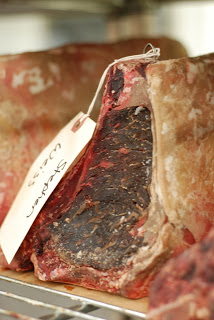 |
| A whole rib Dry Aging in our cooler |
The Science—and Art—of Aging Beef
Beef aging enhances tenderness and intensifies flavor, but not all beef benefits equally. High-grade cuts like Prime and Premium Choice improve dramatically with 21–28 days of aging. At Tony’s, we use both wet and dry aging techniques depending on the cut.
Dry aging produces deep, nutty, concentrated flavor as the exterior slowly dries and natural enzymes break down the muscle fibers.
Wet aging keeps cuts vacuum-sealed, allowing them to develop tenderness without losing moisture.
Lower-grade beef does not respond as well to aging, which is why aging is a hallmark of premium butcher shops.
Natural Beef: What It Means—and What It Doesn’t
To be labeled USDA Natural, meat must contain nothing added—no solutions, tenderizers, or injected flavorings. Unfortunately, many commercial retailers inject lower-grade meat with saline solutions that artificially add weight and “juice.” Tony’s has never offered injected meats and never will. High-quality beef doesn’t need chemical assistance.
Trust Your Butcher
Claims of “the best beef” are common, but true quality is rare. Because most beef sold in the U.S. is neither high grade nor properly aged, it’s essential to work with a butcher who is transparent about origin, aging, and handling. Since 1978, Tony’s has partnered with trusted ranchers and maintained consistent aging and trimming standards.
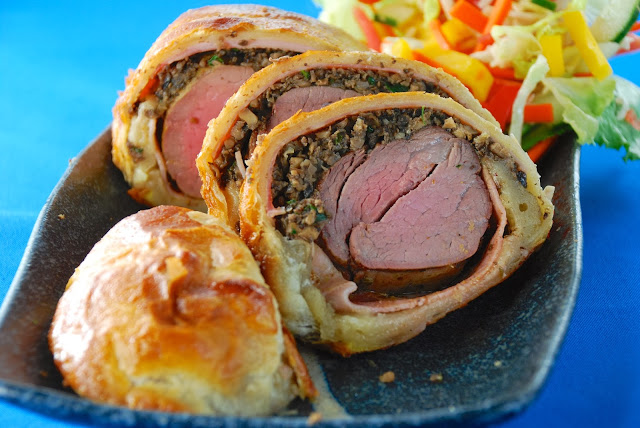 |
High Grade Local Beef
We feature USDA Prime or Premium Choice Natural beef responsibly raised by local ranchers. This beef is raised on grass for most of it’s life, and finished with grain the last 3 months before harvest, this is how our beef can have such high levels of marbling and flavor. Then we age for 21-28 days and hand cut in house and by hand. This has been our practice since 1978, and we refuse to lower quality to reduce price. Meet one of our ranchers in the video below to understand how our High Grade Beef it raised.
100% Grass Fed Beef
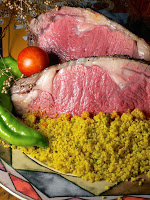 All beef is grass fed, but those that never go to a feedlot or are never fed anything but grasses and forbs are considered 100% grass fed. The taste and texture profile is different than premium grade beef, it’s less rich and juicy and the flavor is on the metallic or bloody side – traits that many guests appreciate, especially hunters. It took us a long time to find a local 100% grass fed beef good enough to bear the Tony’s name, but we proudly keep some in stock and can special order anything you’d like, even a custom cut side of beef.
The Standing Rib Roast
Most butchers and chefs agree, the Standing Rib is the ultimate beef roast thanks to it’s juiciness, flavor and tenderness. The best part of the Standing Rib is the Rib Eye, or the center of the roast – the rest is bones, fat and tough ‘lifter’ meat. We always remove the ‘lifter’, ‘feather bones’, ‘button bones’ and excessive fat – so all our rib roasts are essentially Rib Eye Roasts with or without the bone. Note: The Standing Rib is often called the Prime Rib, but don’t confuse this with the beef’s grade. At Tony’s we call a Prime Grade Standing Rib a “True Prime Rib”.
Here’s a quick video on how I am cooking my Standing Rib this year!
Beef Tenderloin Roast
The tenderloin is beef’s most tender cut. It’s also known as the fillet mignon – and a center cut is called Chateaubriand. This small muscle weighs only about 3-4 pounds and there are only two on each animal – making it beef’s most expensive cut. It comes completely encased in gristle and fat and takes some skill to clean correctly. The tenderloin has an irregular shape, but we roll the roast with butcher’s twine to create a uniform thickness for even cooking. Another great way to prepare this roast is double thick, tying them on top of each other ‘flip-flopped’ turns it into a pretty even roast – and the thicker weight is less likely to be overcooked. All of this is discussed in the video, along with cooking tips.
There are many great cooking methods for tenderloin.
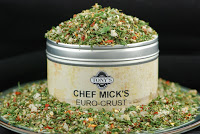
Euro Crust: Large chunks of sea salt, herbs and spices – the perfect blend for beef, bison, game and lamb. Sprinkle it on or blend with lots of minced garlic and olive oil to make a wet seasoning rub / marinade and spice crust. This is a lower sodium seasoning. 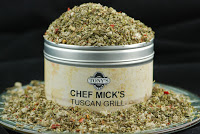
Tuscan Grill Rub: A chunky blend of coarse sea salt with a medley of Tuscan herbs and peppers, particularly good for encrusting meats and seafood, or for general cooking. It’s also great blended with lots of garlic and olive oil to make a wet rub and spice crust. This is a lower sodium seasoning.
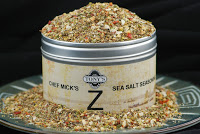 Z Blend: An intriguing, complex blend of sea salt, herbs, aromatics and whole spices with a Northern European flair. Hints of caraway and dill make this very special blend memorable. Balanced, chunky and unique, it makes a great crust on beef roasts and steaks, but is also amazing on pork and poultry. Lower sodium.
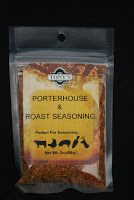
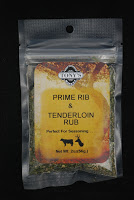
 Tony’s Prime Rib and Tenderloin: A garlicy seasoning blend with herbal overtones – particularly good with beef, and also delicious on pork and chicken.
Tony’s Porterhouse and Roast: A zesty blend with plenty of paprika and herbs, particularly good with beef roasts, steaks and burgers – one of our first custom blends and still one of the most popular.
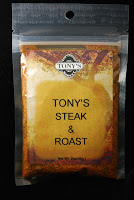
Tony’s Steak and Roast: A fine, particularly balanced seasoning blend with a warm and almost smoky flavor and just a hint of garlic. Great on beef steaks, roasts, burgers and even pork.
Comments are closed.